

Many people search for tooth nerve treatment, because toothache is one of the hardest things a person goes through. It leaves you unable to sleep at night or during the day, which makes you unable to complete your daily tasks. That is why dentists have arrived at an established method to treat this pain without harming the other teeth. Teeth have not escaped the recipes that grandmothers recommend when you feel toothache either, so here we talk about these home methods as well as the medicines you need to take in this case, and we also take care to answer every question that comes to your mind.
Tooth nerve treatment
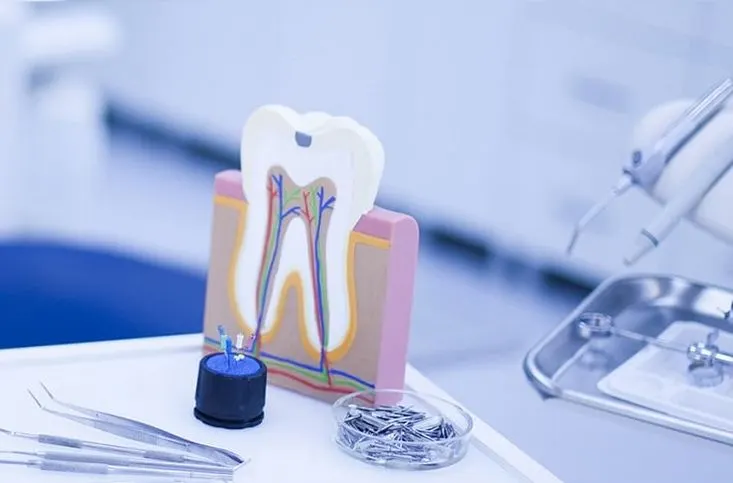
There are many ways you can treat toothache, especially if the pain does not need a visit to the dentist. Pharmacies carry many pain relievers and antibiotics suited to this that ease the pain a little, and there are also plenty of home methods you can follow if it does not call for a visit to the doctor. In the following paragraphs we explain the medicines suited to this case, as well as home recipes.
Medicines for tooth nerve treatment
We mentioned earlier that there are medicines to treat tooth nerve pain. The main drugs you can use are:
- Panadol Extra contains acetaminophen, so it is very effective at easing pain, and it is available in all pharmacies.
- Gargling with Avohex, which eases toothache straight after rinsing.
- Solpadeine contains the active ingredients paracetamol and caffeine, which work to ease pain, and you can take it as tablets or effervescent.
- Rofenac is one of the best-known pain relievers for tooth nerve pain, but it is advised to avoid it because of its known serious side effects.
- Paracetamol can relieve toothache within hours and is very safe to use.
- Fevadol is considered one of the best pain relievers, whether for toothache or period pain and more, and it lowers temperature. It is notable for being suitable for women during pregnancy.
- Cataflam is very effective at easing pain within an hour.
- Acetaminophen treats pain caused by the tooth nerve, lowers temperature and is suitable for children.
- Ibuprofen relieves pain and treats the tooth inflammation resulting from nerve pain.
Recipes used for tooth nerve treatment

There are many home recipes that mothers and grandmothers advise us to use when we feel toothache. Some of these methods are very beneficial, and others are very harmful and not recommended. We present the main recipes and how to prepare them below:
- Chewing guava leaves, or gargling with an infusion of them several times a day.
- Dipping a cotton ball in aromatic thyme oil and placing it on the inflamed area.
- Gargling with warm water containing a few drops of aromatic thyme oil.
- You can mix tea tree oil with a few drops of coconut oil, then massage the gums with this mixture, then rinse the mouth thoroughly with lukewarm water afterwards.
- Most people advise using aspirin and placing it on the inflamed area, but we do not recommend this method at all.
Natural pain relievers for toothache
Every illness has a remedy, and there are many natural substances you can rely on to ease pain of all kinds. It is worth noting that it is easy to prepare these pain relievers at home, and we have set out all of these recipes in the following paragraphs.
Gargling with warm water and natural substances
Gargling is the best tooth nerve treatment you can rely on, especially when it contains a natural substance that gets rid of bacteria, such as salt. You can put a little salt in a glass of warm water and gargle and rinse vigorously with it, and you will find the pain eases a little. The salt kills the bacteria, so toothache is reduced and gum swelling goes down. This solution also protects the gums and teeth from damage, especially if you use it daily.
Garlic and ginger mixture
Garlic and ginger are known for their strength in getting rid of any bacteria, so you can use them to treat a tooth nerve whose main cause is bacteria and germs in the tooth nerve. You can crush fresh garlic and ginger, then place this paste on the inflamed area, and you will notice the pain is eased quickly, because both contain active substances able to destroy bacteria.
Mint or vanilla extract
You can use mint extract to treat the tooth nerve, as mint is considered the best pain reliever because it contains a high level of antioxidants, and it contains a substance known as menthol, known for its ability to ease pain. That makes mint both an inflammation fighter and a pain reliever at the same time. You can use mint infusion to gargle daily to treat the nerve, or you can suck on a mint tea bag, or on mint on its own.
Vanilla is similar to mint in its properties, so both are among the best tooth nerve treatments. It also contains high levels of antioxidants as well as natural alcohol, and these components ease toothache and reduce swelling and inflammation. You can put a cotton ball in vanilla extract and place it on the painful spot, and you will quickly notice the pain easing.
Cloves for treating tooth inflammation
Cloves are known for their effectiveness in treating the tooth nerve because they contain many natural substances that act as pain relievers, and they are very good at reducing pain and inflammation. Unlike the garlic and ginger paste, which gives the mouth an unpleasant smell, cloves treat the pain while leaving a pleasant smell in the mouth. You can use cloves in many forms to get rid of the pain, such as:
- Mixing a few drops of clove oil with a few drops of olive oil, then dipping a cotton ball in it and placing it on the inflamed area, and waiting a little until the pain is eased.
- You can place a fresh clove near the painful spot, and you can chew or suck on it, and you will notice the pain intensity drop.
- You can use clove paste and place it on the inflamed area to ease the pain. You can make this paste at home by soaking cloves in water, then crushing them until they become like a paste.
Turmeric paste
Turmeric has many properties: it is able to treat the inflammation caused by tooth nerve pain, and it contains many active substances that act as a natural anesthetic and pain reliever. That is why you find turmeric in many home recipes related to illness. You can prepare turmeric paste to treat the tooth nerve by crushing a fresh turmeric root and placing it on the painful spot, or by boiling turmeric, waiting a little until it is warm and then gargling with it. You can add a little clove.
How to protect the tooth nerve
There are a number of guidelines you can follow to protect the tooth nerve, which help you avoid needing tooth nerve treatment. But first it should be noted that decay begins as acid secretions that increase the formation of plaque on the teeth, which results from neglecting to clean the teeth, eating too many sweets and not eating foods that supply the teeth with the calcium they need. On this basis we have set out some guidelines you can follow to avoid this kind of pain:
- Keep up daily teeth cleaning.
- Use medical dental floss to clean the spaces between the teeth.
- Follow a healthy diet that gives your body all the nutrients it needs, especially calcium, which comes from milk and eggs.
- Use toothpastes containing fluoride, known for its ability to strengthen teeth.
- Keep up daily use of mouthwash, noting that it should be used once a day.
- Follow up with the dentist regularly.
Frequently asked questions
What is tooth nerve inflammation?
The tooth nerve, or tooth pulp, is a group of blood tissues found inside the tooth or molar, and this area is known as the nerve chamber. There are also a number of blood vessels and many nerve endings whose purpose is to carry electrical impulses to the brain so you can feel food and liquids. Nerve inflammation is caused by exposure to a bacterial or viral infection.
What causes tooth nerve inflammation?
There are several things behind the nerve becoming inflamed, and you should avoid them so you do not suffer from it. They are:
- Not paying attention to cleaning the teeth.
- Tooth inflammation left untreated, so the inflammation extends to the nerve.
- A fracture that reaches the pulp, the nerve of the tooth.
- Gum inflammation that reaches the roots of the teeth.
- Neglecting to treat tooth decay.
What are the symptoms of tooth nerve inflammation?
There are several symptoms you can notice that allow you to tell that you have tooth nerve inflammation, and then you can turn to tooth nerve treatment. We present these symptoms below:
- Swollen gums.
- Clear puffiness in the gums.
- An abscess, whether in the gums or the teeth.
Are there types of tooth nerve inflammation?
This question has come up for many people searching for tooth nerve treatment, and there are indeed two types, which we explain below:
- Treatable tooth nerve inflammation: this inflammation affects the tooth pulp, and the nerve can then be treated and returned to its normal state using treatment methods.
- Untreatable tooth nerve inflammation: this inflammation also affects the pulp but cannot be treated and it is hard for it to return to its normal state, so the nerve is removed and the inflammation is got rid of.
What factors affect the feeling of nerve pain?
The main cause behind all toothache is decay that reaches the tooth nerve, but there are several other factors that increase the severity of the pain caused by the tooth nerve, which are:
- Inflammation in the tooth root or the gums.
- A gum infection.
- A fracture in the teeth.
- A narrow jaw.
- Crowded, irregular teeth.
- Wear of the enamel layer because of decay.
When should I visit the dentist?

You should go to the dentist for tooth nerve treatment to get rid of its pain, and it is worth noting that you should go to the dentist as soon as possible, especially if there is a big, noticeable progression in the toothache, such as these symptoms appearing:
- The pain increases beyond what is bearable.
- Suffering for a long time from tooth sensitivity.
- Repeated pain when drinking cold or hot drinks.
- Stains appearing on the teeth.
- Swollen gums.
- Blisters appearing on the gums.
Also read: Types of braces
Toothache is one of the pains that upsets many people, because it is unbearable and leaves you unable to carry out your daily tasks, so hurry to visit the dentist and keep taking care of your teeth.
This article is for general education and is not a diagnosis or a substitute for advice from your dentist.