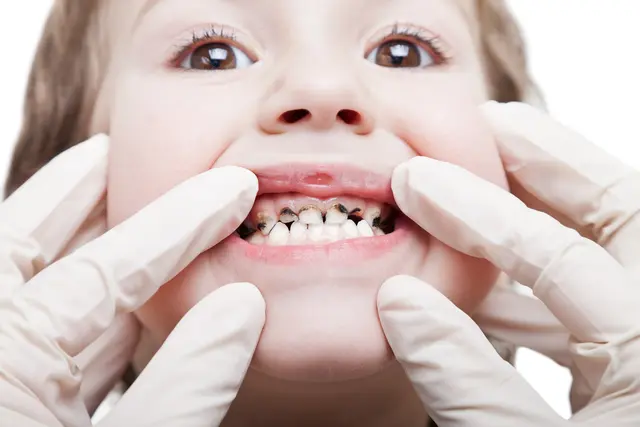
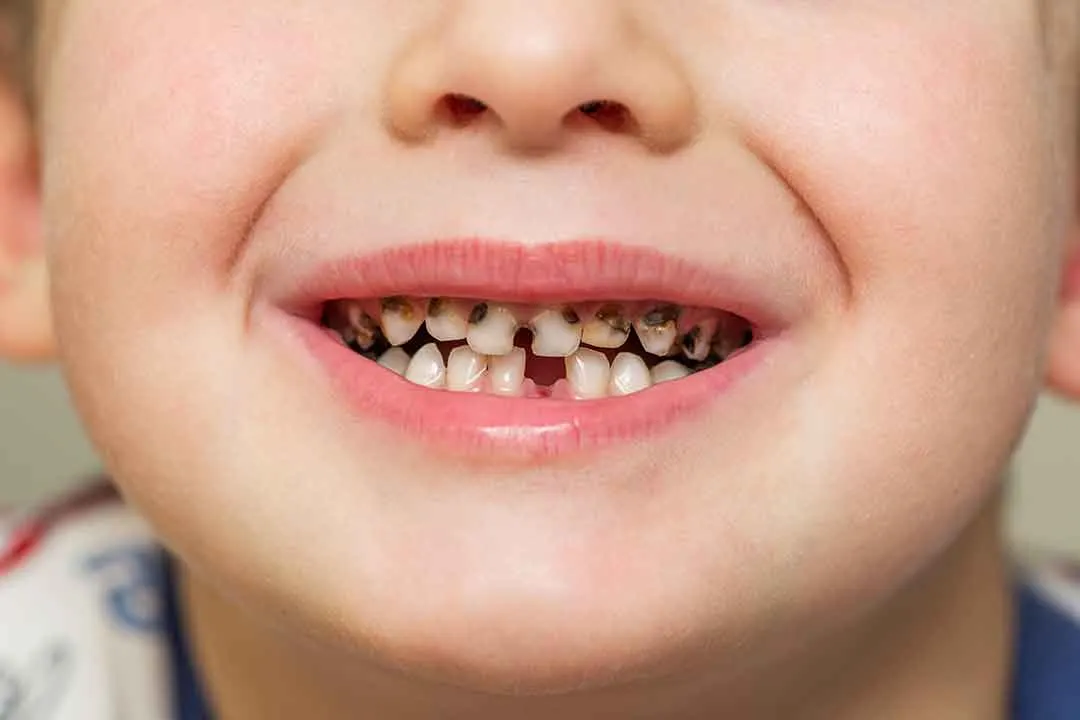
Tooth decay in children is a condition that affects the baby teeth of many children. It causes dark spots to appear on them, known as caries, and is caused by bacteria that form on the teeth and wear them away by producing acids that break down their surface. Decay usually appears at a young age and depends a great deal on the child’s lifestyle, the food they eat and how they clean their teeth. In this article we look at the main causes of decay and ways to treat it.
Tooth decay in children: a health problem that needs early attention
What is tooth decay in children?
Tooth decay in children is the wearing away of the enamel because of the build-up of bacteria from food debris and sugars. It is one of the most common mouth problems in childhood, and it can start as early as the age of two!
Causes of tooth decay in children
There are several causes that lead to decay in children, which we go through in the following points:
· Dental disease may be down to hereditary factors that cause a general weakness in the teeth.
· Constantly eating sweets and drinking sugary drinks is one of the main causes of decay.
· Starchy foods that children eat all the time, such as potato chips.
· Potato chips spread the acids that cause tooth decay.
· Not following a healthy diet that provides the essential nutrients children need, such as calcium and iron.
· Neglecting to clean the teeth after meals or after eating sweets.
· Not visiting a good dentist to check on the health of the mouth and teeth.
· Decay happens when the bacteria in the mouth start to eat into the teeth.
· Falling asleep with a baby bottle is one of the main causes of early decay in children.
What causes early tooth decay in children?
Too many sweets and fizzy drinks
Not cleaning the teeth regularly
The child sleeping with a bottle of milk in their mouth
Neglecting regular check-ups at the dentist
Treating tooth decay in children
Treatment of tooth decay in children depends on the child’s condition, their age and the symptoms that accompany the decay. Most of the time, decay is treated by removing the decayed and damaged part of the tooth and replacing it with what is known as a dental filling. Here are the treatment methods:
· The dentist decides on the right treatment depending on the child’s condition.
· The decay and the damaged parts of the tooth are removed and replaced with the well-known dental fillings.
· The dentist treats the child’s tooth roots, which is done in most cases of tooth decay.
· The dentist may prescribe some pain relievers if the pain is severe.
· The dentist prescribes some antibiotics to prevent infection and reduce inflammation.
· The teeth are cleaned and polished thoroughly using ultrasound.
· Damaged teeth are extracted, removing the source of infection and helping stop it from spreading.
· Sometimes the dentist places a crown on the affected tooth to protect it.
· Braces may be used to align the teeth and reduce the chances of tooth decay.
Preventing tooth decay in children
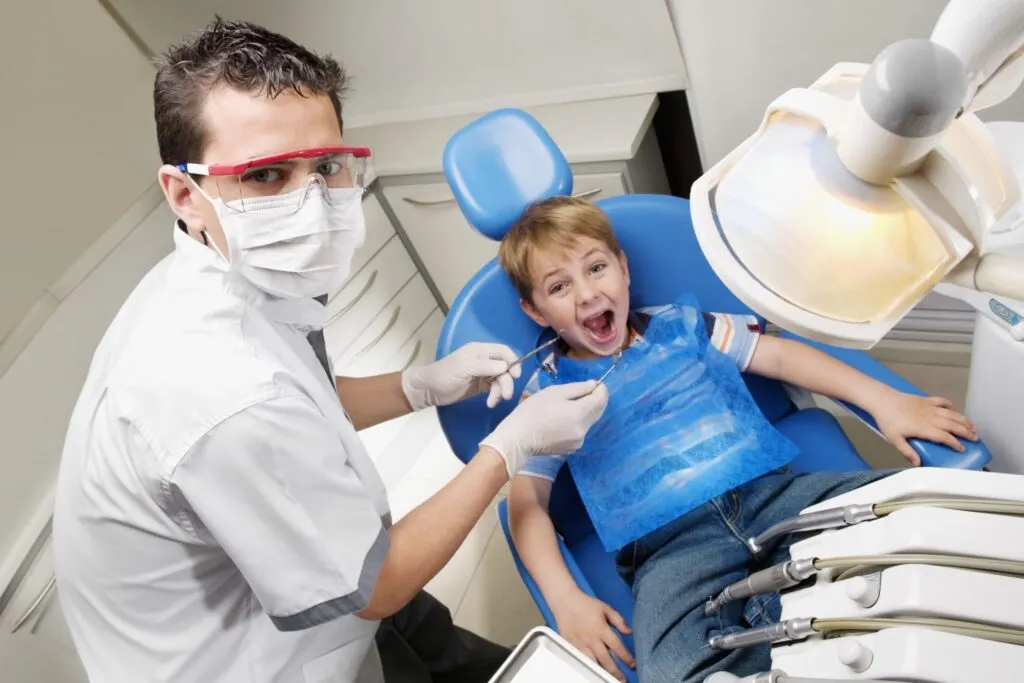
There are some preventive measures that greatly help you keep your child’s teeth healthy, which we go through in the following lines:
· Brush the teeth regularly at least twice a day.
· Clean the teeth after every meal, especially after sweets and sugary drinks.
· Use dental floss to remove leftover food from between the teeth.
· Avoid foods rich in sugar, such as chocolate, biscuits, potato chips and cold drinks.
· Change the toothbrush at least every three months. · Choose a toothbrush with soft bristles if the tooth enamel is wearing away.
· Clean the teeth well and do not press hard when brushing.
· Visit a good dentist and follow up with the necessary check-ups.
· Choose a suitable toothpaste and mouthwash.
· Do not neglect crooked teeth; treat them in good time.
· Follow the dentist’s instructions carefully if tooth decay occurs.
The right way to clean the teeth
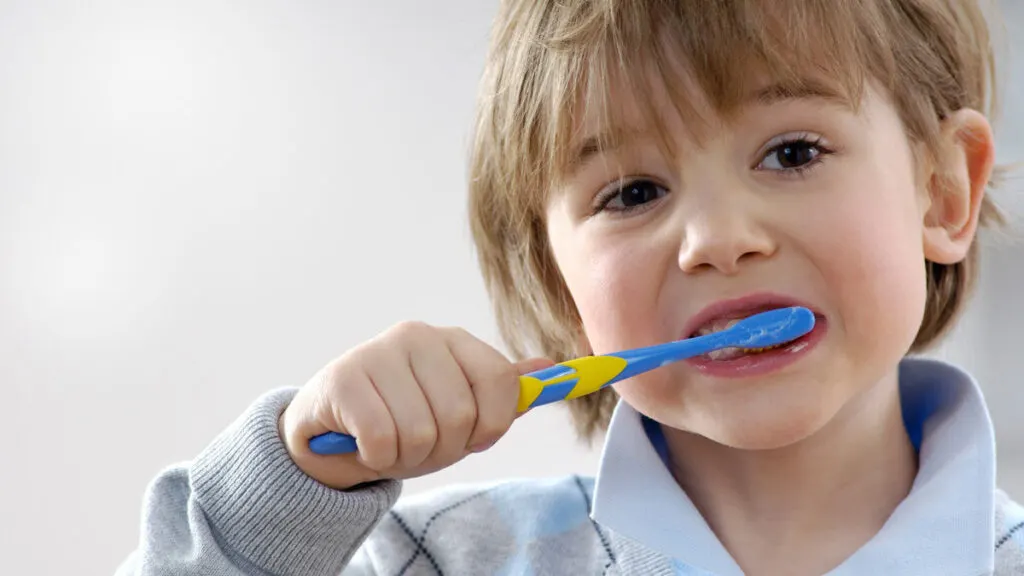
The following cleaning methods can help you keep the teeth and mouth perfectly clean to limit tooth decay in children:
· Hold the brush at a 45-degree angle to the teeth.
· Put a small amount of toothpaste on the toothbrush.
· Clean the teeth with a circular motion from top to bottom.
· Brush three teeth at a time.
· Drink water after eating and rinse after every meal.
· It is best for the mother to help children clean their teeth until they reach the age of six.
· You can use some natural remedies that help keep the teeth healthy.
How to get rid of tooth decay naturally
When a child gets tooth decay, they need good attention and prompt care for their teeth. Here are some natural methods that help you get rid of decay:
Warm water and salt
This is one of the oldest ways to relieve toothache and one of the effective ones: salt kills bacteria, and warm water eases the pain and reduces gum swelling.
Garlic paste for treating decay
Using this paste helps reduce tooth pain noticeably. Garlic has properties and antibacterial compounds that act against the formation of plaque and then decay.
Cold compresses
Cold compresses help reduce swelling in the teeth caused by gum infection resulting from the growth of decay cavities in the teeth. They are used by placing them on the child’s temple.
Mint tea bags
Mint is one of the best pain relievers used to ease toothache. It helps numb the pain and relax the gums, and mint tea bags can be replaced with a few drops of herbal oils such as peppermint oil and clove oil.
In conclusion, we learned about tooth decay in children and the main early signs that point to decay, covered some of the treatment methods dentists follow, and then explained some preventive measures that help deal with decay and keep your child’s teeth healthy.
This article is for general education and is not a diagnosis or a substitute for advice from your dentist.