Treating worn teeth in children: this is one of the most common problems facing many children around the world. A body’s health starts with the health of the mouth, especially in children, because oral health gives indications of many health problems, in addition to unhealthy eating habits that need correcting. This is what we cover in this article, as there are many causes that wear away the outer layer of the teeth, and also many preventive measures, all of which we go through in the following paragraphs.
Treating worn teeth in children
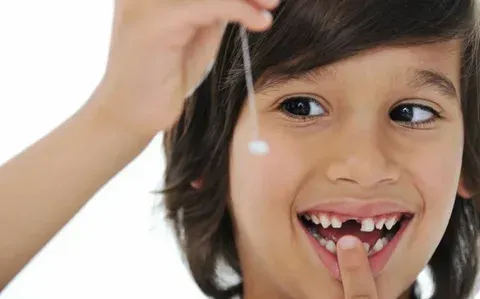
Wear usually happens when teeth lose their basic structure because of chemical factors such as acid erosion, and many other factors that chronically wear away the outer layer of the teeth.
Tooth wear differs from decay or from injuries that cause a tooth to break. It happens slowly over years, starting in the outer layer of the teeth, which is the enamel: the hard, translucent layer that covers the teeth on the outside.
If it continues, the damage begins to reach the deeper layers of the teeth until it reaches the dentin and the pulp, the main nerve of the tooth. The danger of tooth wear lies in the child losing the main protective layer that protects the teeth, and treatment methods vary with the child’s age and the type of tooth.
Causes of tooth wear in children
There are several causes to watch for and avoid, because avoiding them helps with treating worn teeth in children. Here are the main ones:
· Drinking too many sugary drinks, such as juices and fizzy drinks.
· These drinks contain a high level of acids that, over time, wear away the teeth.
· A problem with saliva flow, which plays a major role in keeping teeth strong and the mouth healthy.
· Saliva reduces the causes that lead to wear.
· Eating too many sweets and starchy foods without cleaning the teeth afterwards.
· Taking some medicines that contain antihistamines, which affect tooth health negatively.
· Some hereditary factors.
· A severe lack of calcium in the mother during pregnancy may expose the child to tooth wear.
Symptoms of tooth wear in children
Baby teeth are more prone to wear than permanent teeth, because the enamel in baby teeth is thinner than in permanent teeth and the inner pulp area is larger. So, most of the time, when the outer layers wear down, inflammation of the tooth pulp begins and the following symptoms appear:
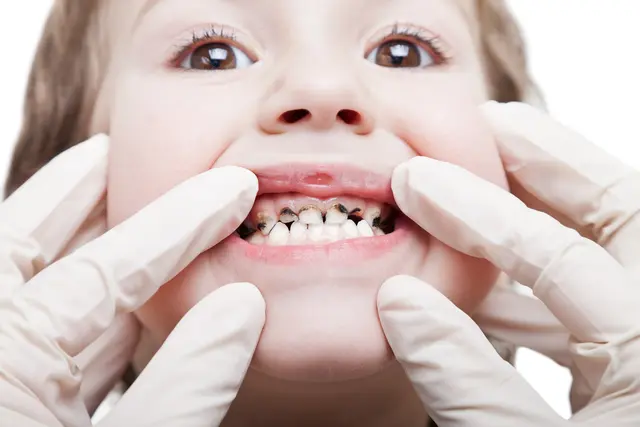
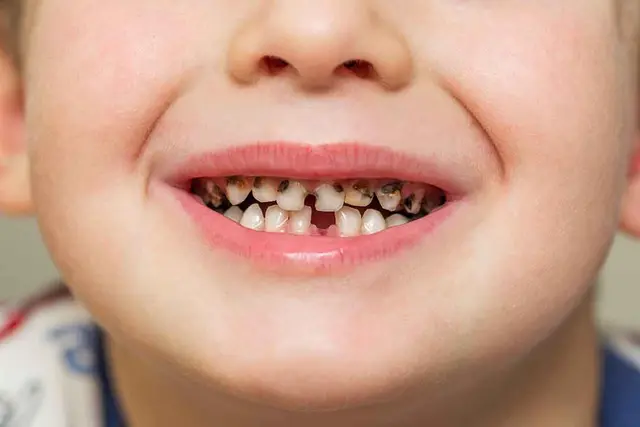
· The teeth look dull and lose their natural shine.
· The outer shape of the teeth changes, especially in the hollows.
· When the enamel is badly worn, the dentin layer shows, so the teeth look yellow.
· The teeth look thin, with transparent edges.
· The more the wear, the more sensitive the teeth become, so the child feels pain when eating certain foods and drinks.
· The edges of the teeth crack and look uneven.
· If any of the symptoms above appear, you should see the dentist promptly.
How is tooth wear diagnosed in children?
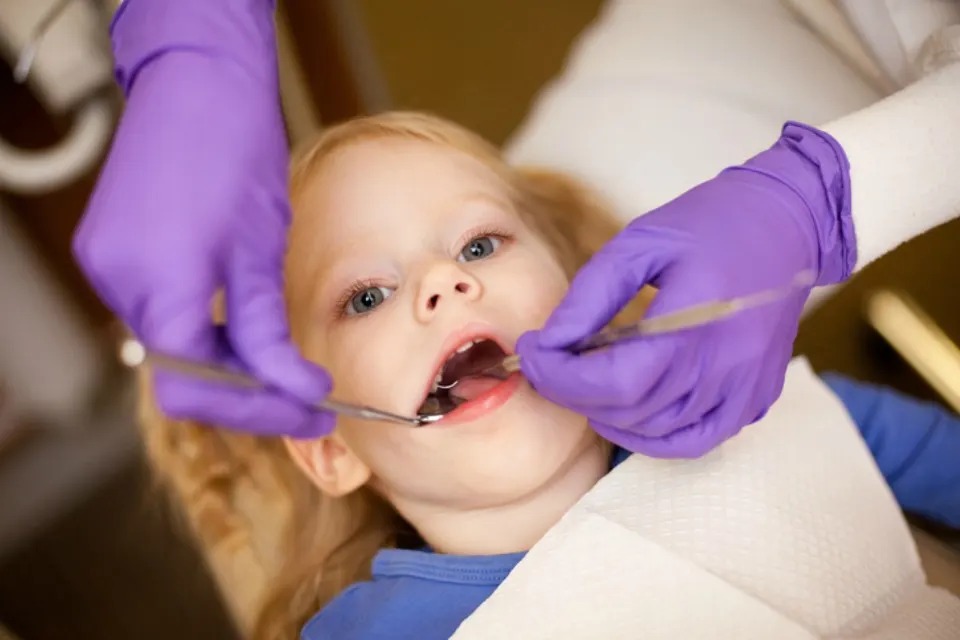
Some mothers may not notice when their children’s teeth begin to wear, so it is important to have regular, ongoing check-ups with the dentist, so that treatment of worn teeth in children can begin early. Diagnosis is done by the dentist based on the following:
· The dentist begins the examination and asks about the child’s eating and health habits.
· The answers to the dentist’s questions help a great deal in deciding on treatment.
· The dentist examines the teeth to identify the type of wear.
· Acid erosion shows on the back surface of the upper teeth as yellow patches.
· Wear from friction appears on the outer surface of the back teeth near the gums.
Ways to treat worn tooth enamel
Treating worn teeth in children requires a number of steps and medical procedures, beginning with treating the enamel. Here are the main treatment methods used to limit enamel wear:
Dental bonding
In this procedure, materials such as resin, which is the same color as the teeth, are applied to treat teeth that are damaged or worn. The material covers all the changes that have happened to the teeth and also protects them and strengthens their structure.
Cosmetic dental procedures
When the outer layer of the teeth wears away and cracks and breaks appear, people with this problem go to dentists to treat the enamel through cosmetic dentistry, such as fitting dental bridges, crowns or what are known as porcelain veneers.
These procedures use a material similar to porcelain, designed to match the color of the teeth, with the aim of covering the damaged teeth, so it acts as a replacement for the worn enamel.
How do we protect tooth enamel from wear?
There are many measures that help you protect the enamel and also help with treating worn teeth in children, so that you keep your child’s teeth healthy. They are as follows:
· It is best to clean your child’s teeth with a toothpaste containing fluoride.
· This substance is very important in resisting the acidic substances produced by the bacteria on the teeth.
· Brush your child’s teeth every day, at least twice, especially after meals.
· It is best to ask the dentist which type of toothpaste suits your child’s teeth.
· Use a mouthwash for gargling and rinsing.
· Toothpaste leaves some deposits between the teeth that are hard to remove with a brush, so the previous step is necessary.
· Some vitamins work well in strengthening the teeth again.
· Vitamin D and calcium tablets are the main vitamins that matter for the teeth.
· Use a toothbrush with soft bristles.
· Cut down on sweets and sugary drinks.
· It is best not to feed the child before sleep, because saliva production drops during sleep.
· Wipe the baby’s teeth with a cotton cloth after feeding to get rid of deposits.
Complications of tooth wear in children
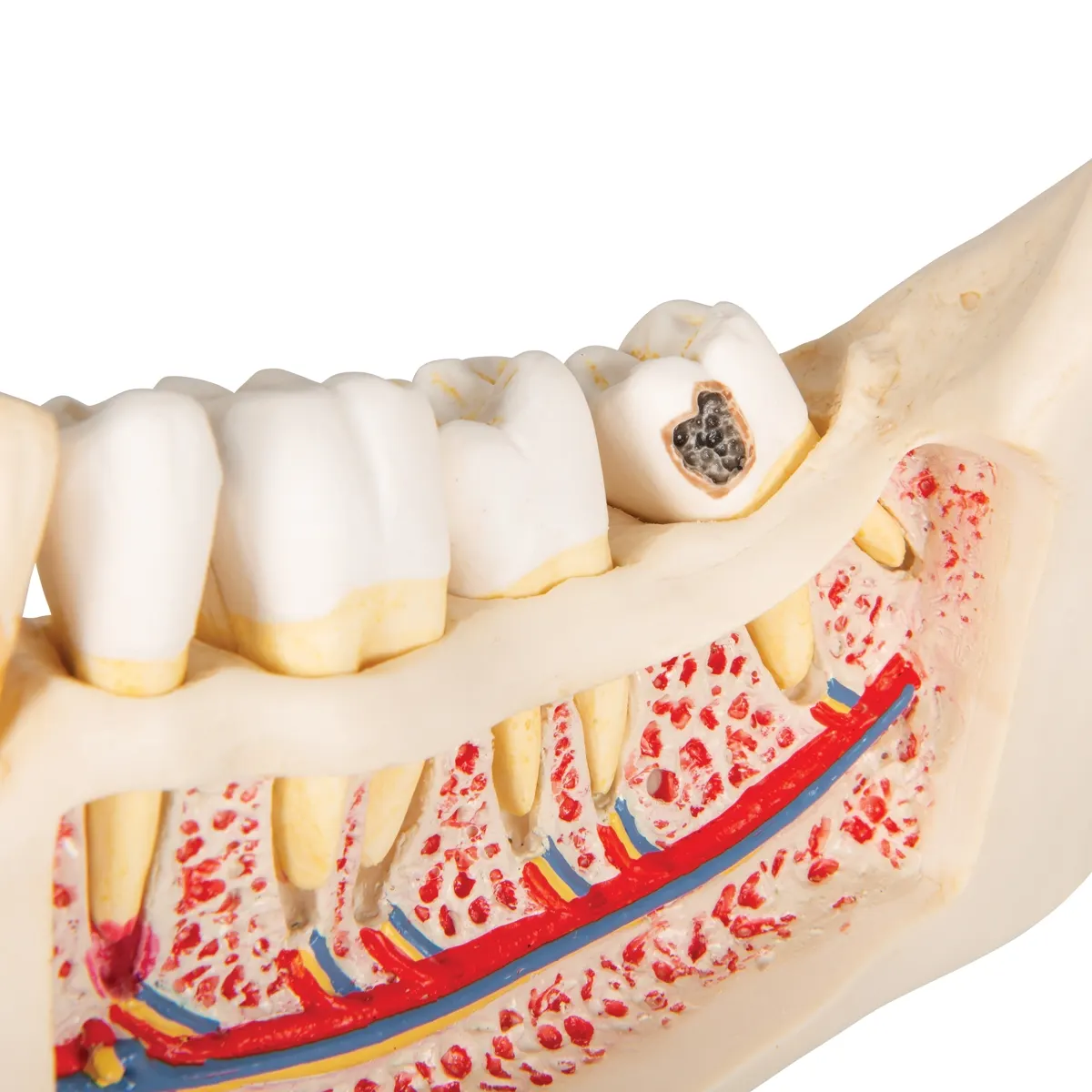
If treatment of worn teeth in children is neglected, your child is exposed to some complications, which we go through in the following points:
· Wear causes extreme sensitivity in children, especially when eating and drinking cold and hot things.
· Early tooth wear in children leads to lifelong problems for the teeth.
· The teeth become brittle and more prone to breaking, cracking and rapid decay.
· This problem affects the outer appearance of the teeth, which may expose the child to bullying.
In conclusion, we learned about treating worn teeth in children, and the main treatment methods that help limit this problem. We also covered the main causes that lead to it, and the main complications children face because of this problem.
This article is for general education and is not a diagnosis or a substitute for advice from your dentist.