Tooth loss is one of the biggest problems some people face. It gives them a poor appearance that causes embarrassment when speaking, smiling or being in public places. Here I will explain my experience with jawbone grafting, a procedure used when a patient needs more bone for dental implants. Other kinds of surgery may be needed too, such as (sinus lifts, oral surgery, jaw and facial surgery, ridge augmentation, bone growth in the upper jaw only). The success rate of the procedure exceeds 93%, but despite that it may fail for certain reasons, so here we go through everything about jawbone grafting.
What is jawbone grafting?
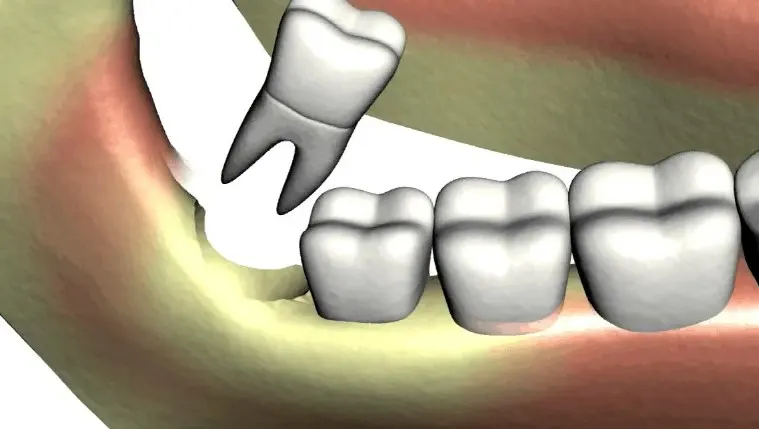
It is a successful and safe surgical procedure that replaces bone missing from the jaw. Bone grafting is done when there is not enough jawbone to carry out dental implant surgery. Bone can be taken from the upper and lower jaws to graft the jawbone, and dental implants are used as posts to replace missing teeth. This procedure helps restore the natural dimensions of the jaw and the smile.
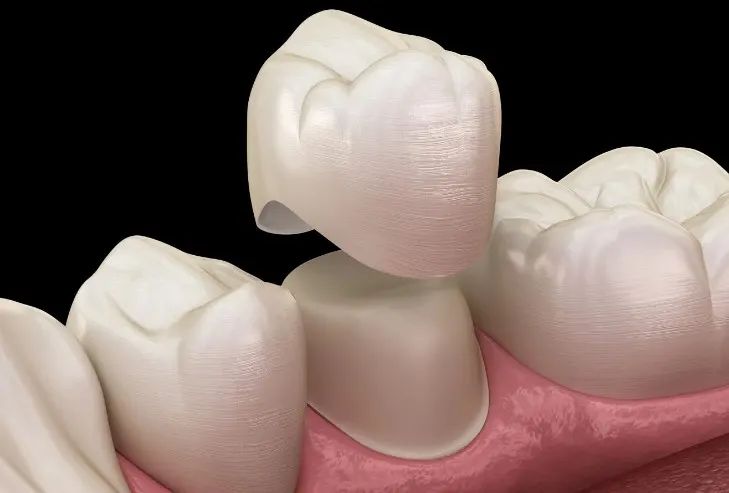
Types of jawbone grafting
Jaw grafting to preserve tooth sockets:
This procedure is done when a tooth is lost, so the socket does not collapse until another tooth is implanted.
Jawbone grafting to lift the sinuses:
When one of the upper back teeth that sit below the sinuses is lost, the bone below the sinuses sinks, which creates an obstacle to dental implant surgery, because the implant would break through the sinus bone and might cause further complications. The dentist then resorts to lifting and securing the sinus bone to prepare for implant surgery at a later time.
Also read: Dental implant prices in Saudi Arabia and key benefits
Jaw augmentation for dental implants or other procedures:
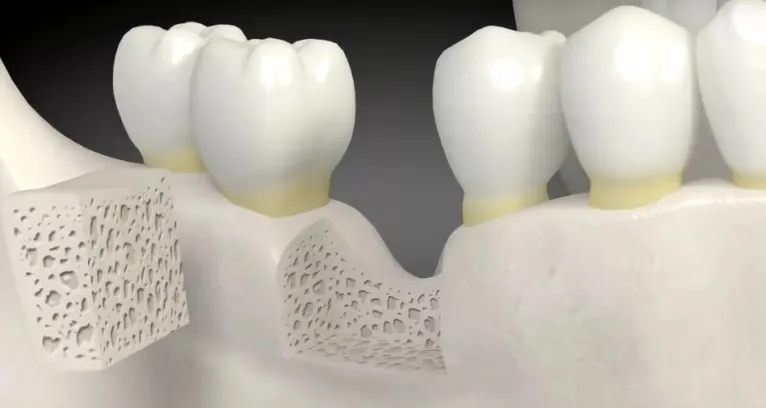
This procedure is done when a tooth has been missing for a long time so that the jawbone has become thin and unsuitable for a new implant, except by placing supporting posts. It needs some time to heal fully before the implant surgery is carried out.
Jawbone grafting to secure existing teeth:
Jawbone grafting can be done for people with brittle jawbones and gum diseases that wear away the jawbone and loosen the existing teeth, causing them to fall out. The dentist then resorts to this procedure to secure the teeth already there.
Reasons for jawbone grafting
My experience with jawbone grafting was because of several, or one, of these reasons:
- Placing supports before dental implant surgery.
- Losing a tooth.
- Some gum diseases such as (jawbone wear).
- Rebuilding the jaw when fitting dentures.
- Shrunken bone in the jaws.
- Lines and wrinkles appearing around the mouth and on the face.
- Feeling uncomfortable when chewing and eating.
- Having a headache or pain in the jaws.
- Feeling increased difficulty speaking.
- The lip sinking inwards because of loosened teeth.
- When some facial features change.
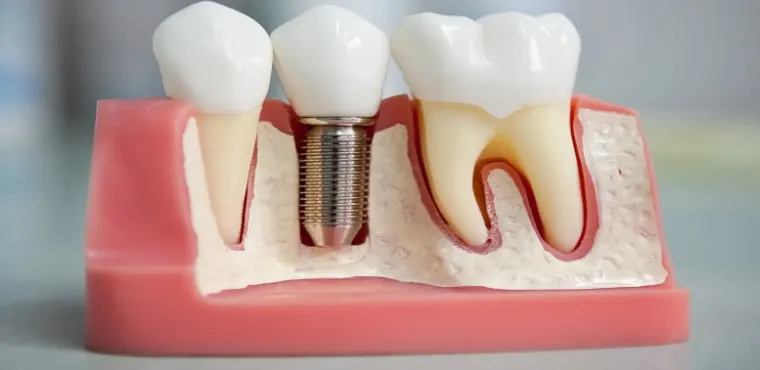
How jawbone grafting is done
In my experience with jawbone grafting, the procedure is done by grafting the jaw and increasing the volume of the bone, which leads to the formation of new bone and speeds up healing. There are many grafts used in oral bone grafting, such as:
- Allograft: a graft taken from another person.
- Autograft: a graft taken from the same patient, which can be taken from the jawbone and the pelvis.
- Xenograft: a graft taken from another species (animals).
- Synthetic graft: a graft made from minerals such as (bioactive glass, calcium phosphate).
Advantages of jawbone grafting
It helps return the teeth and jaw to their natural shape.
It helps prepare the jaw to receive replacement teeth.
Disadvantages of jawbone grafting
In my experience with jawbone grafting, some disadvantages appeared:
- Some swelling and mild pain.
- Feeling uncomfortable while sleeping and eating.
- Clots forming and severe bleeding.
- Anesthesia complications.
- The body rejecting the external graft.
- Infection during the surgical intervention.
- Pus forming and the gums receding from the teeth.
- Failure of the jawbone graft, which happens in some rare cases.
My experience with jawbone grafting
From my own experience with jawbone grafting, it was worth the cost and helped me get my smile back and restore my teeth to their natural shape. It was a very quick experience that lasted no more than half an hour.
Stages of jawbone grafting
- Before my experience with jawbone grafting: the dentist will carry out some necessary examinations and required X-rays to decide on the right treatment for your case and how much the jawbone has worn away. Sometimes the dentist will ask you to refrain from eating and drinking for a certain time of up to about 12 continuous hours, which depends on the type of procedure and the anesthetic the dentist will use.
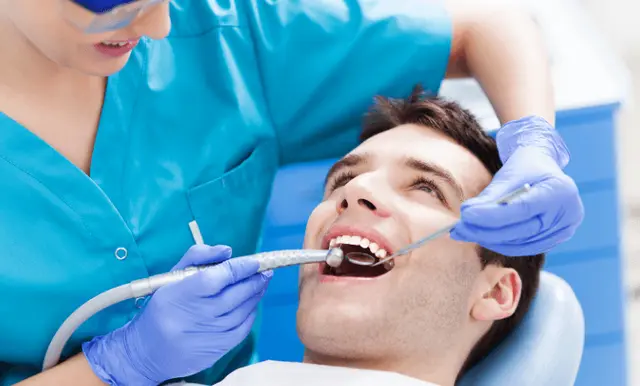
- During my experience with jawbone grafting : the dentist starts by applying a local anesthetic, then lifts a part of the gum to expose the jawbone so it can be secured with a support. After fitting the implant, the dentist returns the gum to its natural position, and the procedure is closed with stitches. If the support is synthetic you will feel only slight pain and swelling, and this is treated with antibiotics and pain relievers.
- After my experience with jawbone grafting : after jawbone grafting you need complete rest from the effect of the anesthetic. For the best results you must take all the medicines the dentist recommended. To speed up healing, the dressing in the mouth must be changed continually. Follow up with your dentist regularly to measure how much you have improved and to treat any side effects if they appear.
Tips after jawbone grafting
After my experience with grafting the jawbone there are some tips:
- To ease pain and swelling you can apply ice or cold compresses.
- Eat soft foods only.
- Drink cold drinks.
- Avoid hard foods and hot drinks.
- Avoid smoking.
- Take care to keep the mouth clean every day.
- Clean the teeth with a brush, floss and toothpicks.
Healing time after oral bone grafting
- Full recovery from the procedure takes about 3 to 6 months until healing is complete.
When should you go to the emergency room after the procedure?
- A rise in temperature.
- Continuing bleeding and an increase in the amount.
- Signs of infection appearing.
- Feeling numbness in the face and jaw.
Cost of jawbone grafting
If non-autograft grafts are used in the procedure, the cost ranges from 400 to 1,200 US dollars.
Also, if the dentist uses an autograft, the cost can rise to 2,000 US dollars.
The cost of jawbone grafting in Egypt, depending on the dentist’s experience and the graft used, may range from 1,000 up to 20,000 Egyptian pounds.
Complications of jawbone grafting
- Problems in the sinuses.
- Damage to the nerves and gums.
- Damage to the blood vessels around the dental implant site.
- Inflammation caused by a bacterial infection.
So, dear reader, I hope I have made clear my experience with jawbone grafting and everything about the procedure. After the proven experiences presented in this article, we present some results on this topic, and this procedure is a promising step forward in the world of dentistry and cosmetic care. I recommend having this procedure and not hesitating, because it restores the look and shape of the teeth to normal.
This article is for general education and is not a diagnosis or a substitute for advice from your dentist.